The Next Generation: Rethinking Leadership and the Future of Rural Systems [Reflections from At One Impact Week Singapore 2026]
Written by Manisha Shah, Asia Philanthropy Partner
What would make a young person choose to build a life and career in a rural community today?
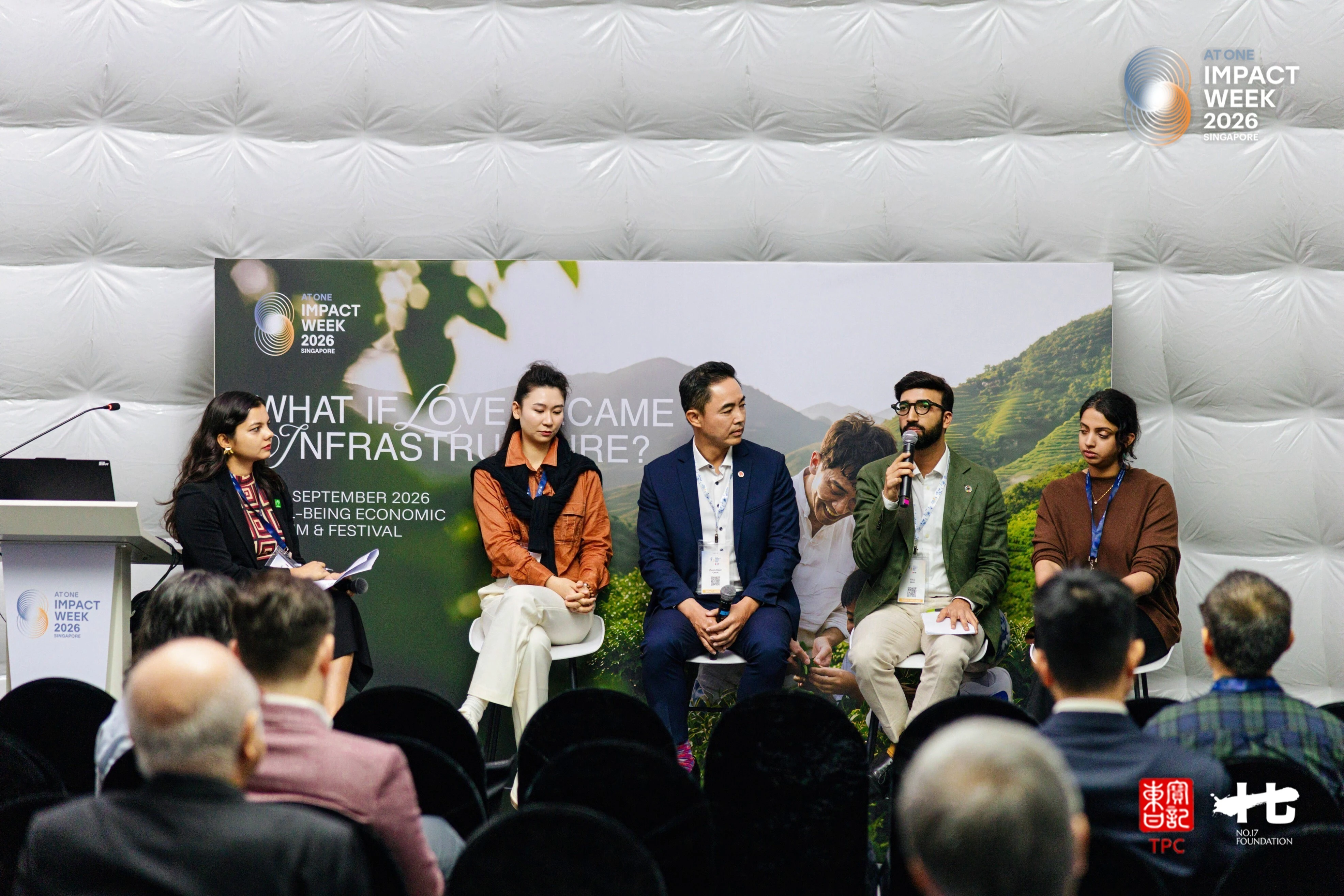
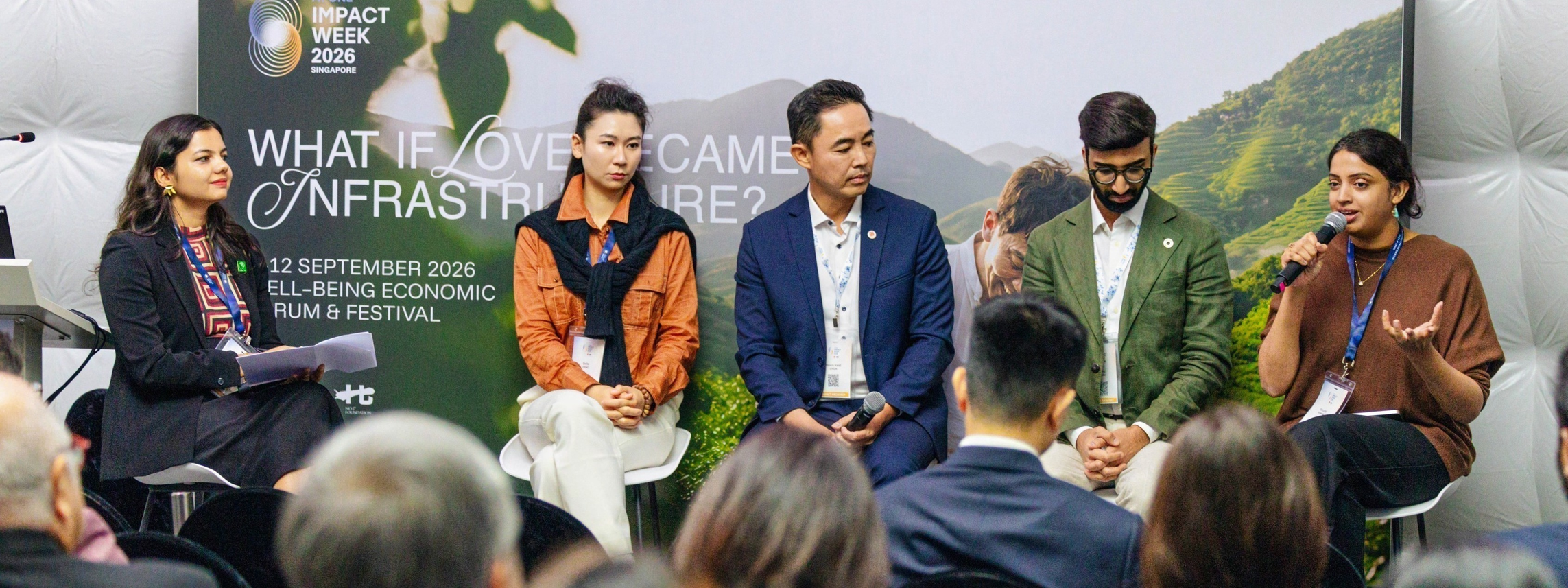
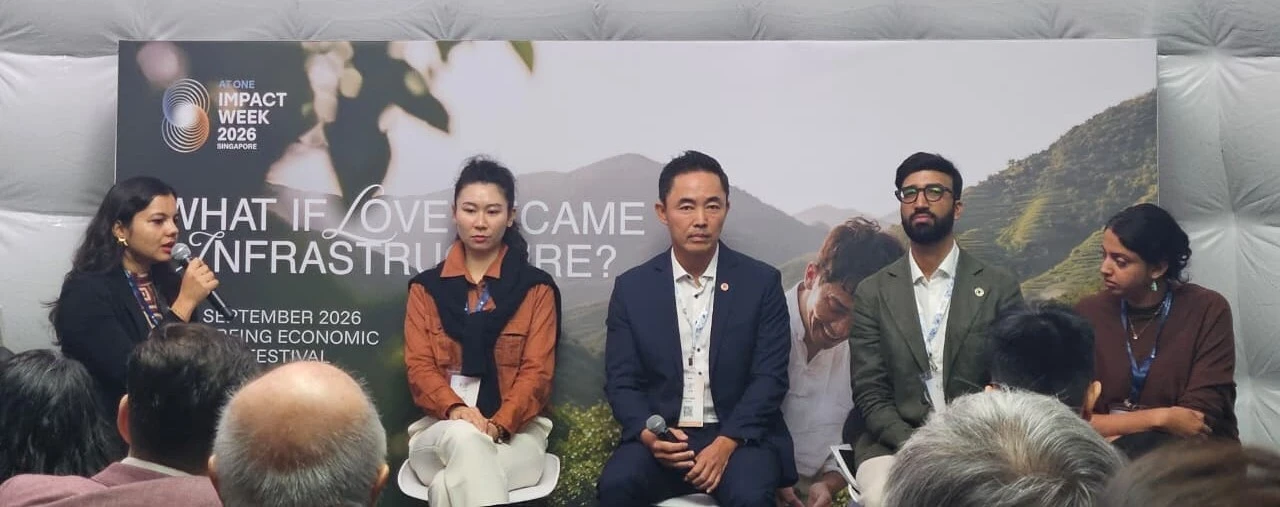
This question opened “The Next Generation: Leadership, Learning, and the Future of Rural Systems,” a panel moderated by Manisha Shah Nayyar of Synergos at At One Impact Week Singapore, held from 9–12 September 2026 and hosted by the Tsao family.
For Manisha, the question was personal. Two generations ago, her ancestors were farmers in Nepal, where their land provided an abundance that sustained a large family. Her parents later pursued careers in medicine and moved to the city, and Manisha grew up increasingly disconnected from the land and rural ecosystem that had once been central to her family's life.
Her story opened a broader conversation about what needs to change for young people to see rural systems as viable and meaningful places to build their futures.
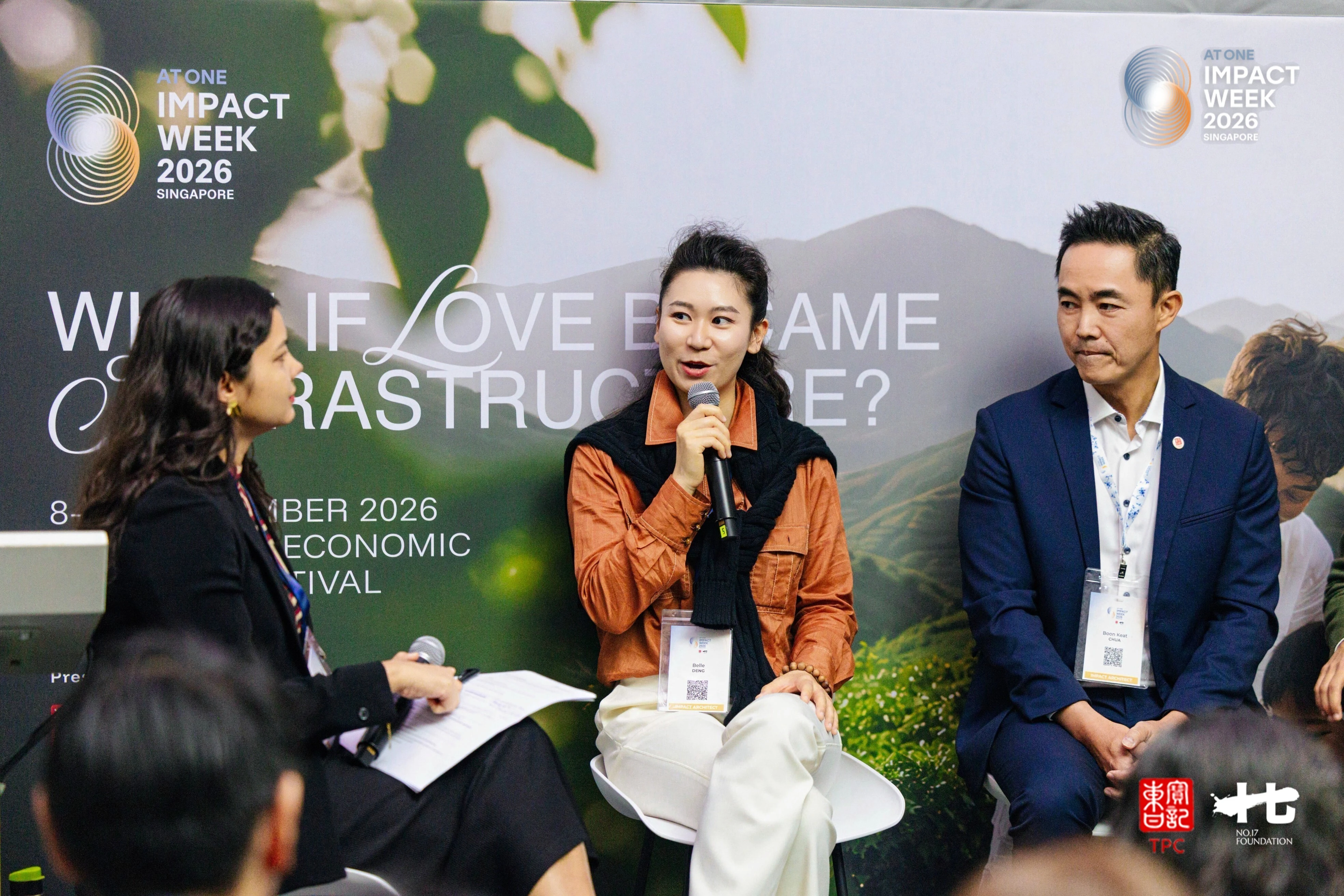
The panel brought together Belle Deng of Alliance for Good, Boon Keat Chua of TPC, Rituj Sahu of Asia Research & Engagement, and Shruthi Kumar of Temasek Foundation.
Making rural livelihoods viable
The conversation highlighted that purpose and idealism, while important, are not enough to attract the next generation to agriculture and rural livelihoods.
Boon Keat pointed to three practical considerations: income, social prestige, and the possibility of growth. Farming is often perceived as a less desirable career, particularly when incomes are uncertain and pathways for advancement are unclear.
Rituj built on this, emphasising that young people's aspirations need to be matched by economically credible career pathways. Short-term programmes cannot substitute for the longer-term opportunities young people need when making career decisions.
Shruthi shared examples of how philanthropic capital, technology, and market access can help strengthen the economics of smallholder farming. Her examples included de-risking finance for farmers, improving access to agricultural inputs, and supporting technologies that can increase productivity. Such innovations can also create new opportunities for young people to bring entrepreneurial and technical skills into agriculture.
Changing perceptions—and the system
The panel also explored how perceptions of rural work can shift alongside the economics.
Boon Keat shared Singapore's experience with its hawker culture, where succession challenges have been addressed through measures that improve economic viability while elevating the status and visibility of the profession.
Participants reflected on similar challenges in rural communities: changing aspirations, increasing mobility, and the desire among young people for greater agency over their futures. Technology, entrepreneurship, and new forms of rural employment could help create pathways that look very different from those available to previous generations.
The discussion reinforced that there is no single solution to the future of rural systems. Economic incentives, financing, technology, education, markets, social perceptions, and community life are interconnected.
For Synergos, this is ultimately a leadership and systems challenge. Creating rural futures that work for the next generation requires bringing different perspectives together, building partnerships across sectors, and ensuring that young people and communities have a meaningful role in shaping the systems they will inherit.
The conversation closed with a sense of possibility. Across different contexts, farmers, entrepreneurs, philanthropists, investors, and young leaders are already experimenting with new approaches.
The opportunity now is to connect these efforts and create the conditions for them to thrive—so that for the next generation, choosing to work with the land can be not a choice between purpose and prosperity, but an opportunity to pursue both.