
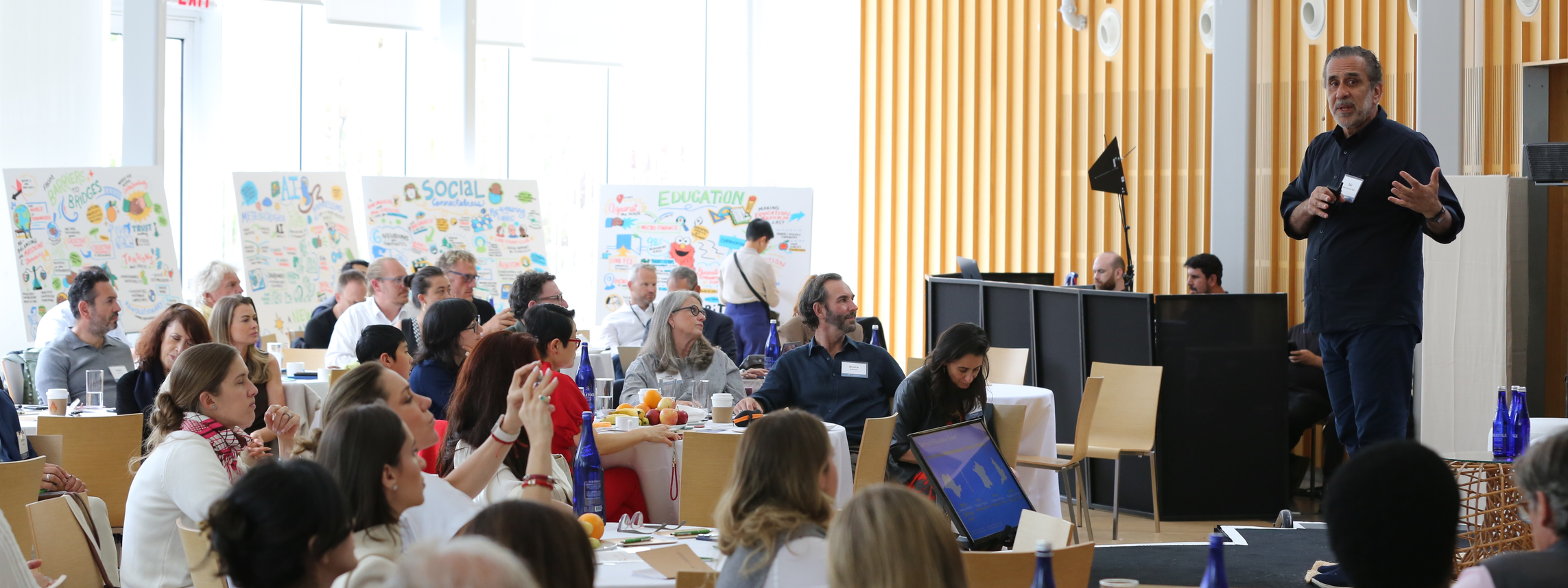
Reimagining Education for the Whole Child: Reflections from the GPC Gathering in New York
Written by Asia Philanthropy Partner, Manisha Shah
The conversation that unfolded at the GPC Gathering in New York following a presentation on Brazil was not simply about improving schools. It was about questioning the foundations of education itself — and what it means to prepare children and communities for a rapidly changing world.
The discussion began with a practical but important question: how can meaningful change within government education systems be sustained when political leadership changes so frequently? Participants reflected that while policymakers may rotate through departments, community-rooted leaders often remain. Lasting transformation therefore depends not only on government buy-in, but on building coalitions led by communities who can carry the work forward across political cycles.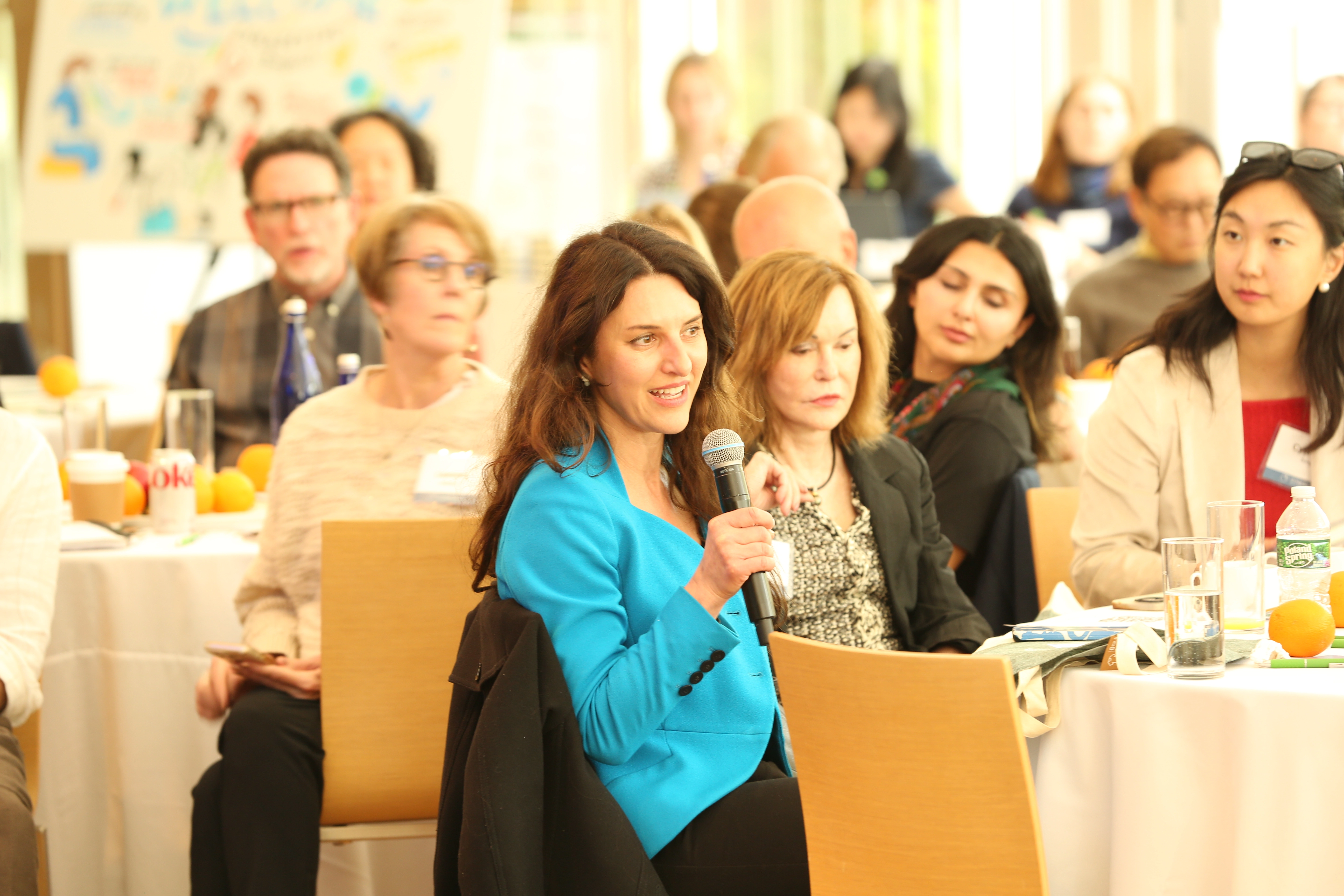 Several voices challenged the industrial-era assumptions that continue to shape education systems today. In a world where AI can increasingly provide answers instantly, participants reflected on the urgent need to reimagine the purpose of schooling itself. Yet others cautioned against swinging too far toward technology-driven models. Without foundational knowledge, children cannot develop the cognitive connections needed for critical thinking and creativity. The future of education, many felt, lies not in replacing learning with technology, but in balancing knowledge, human development, and new tools responsibly.
A recurring theme throughout the conversation was the importance of social and emotional learning. Participants pointed to rising youth mental health challenges globally — including in highly developed education systems such as Singapore — as evidence that academic achievement alone cannot define success. There was strong resonance around the idea that there is no technological “silver bullet” for the human dimensions of learning, belonging, purpose, and wellbeing. The work of Laura Taylor on mindfulness and education was referenced as offering insights into how schools can nurture the whole child.
The conversation also surfaced a growing recognition that incremental reforms may no longer be enough. As one participant noted, “we cannot keep putting band-aids on a wound that is no longer relevant.”
Peggy Dulany reflected on the importance of cultivating a mindset shift toward collaboration itself — asking how to involve stakeholders who have historically been excluded from decision-making. Examples from South Africa highlighted the importance of valuing teachers and strengthening education leadership, while experiences from Malawi underscored how working with parents and local political leaders can make systems more responsive to community realities.
The lived experiences shared in the room added urgency. One philanthropist spoke about growing up in a village in India without access to the same quality of education as many others in the room — a reminder that the belief that every child deserves quality education must remain central to this work. Another participant from Mexico reflected that when young people cannot envision a future for themselves, they lose the sense of agency needed to invest in education.
A GPC member from West As raised provocative questions about whether dismantling aspects of the current education system could create greater room for innovation and economic participation suggesting that learning pathways of the future may need to become more flexible than traditional schooling models allow.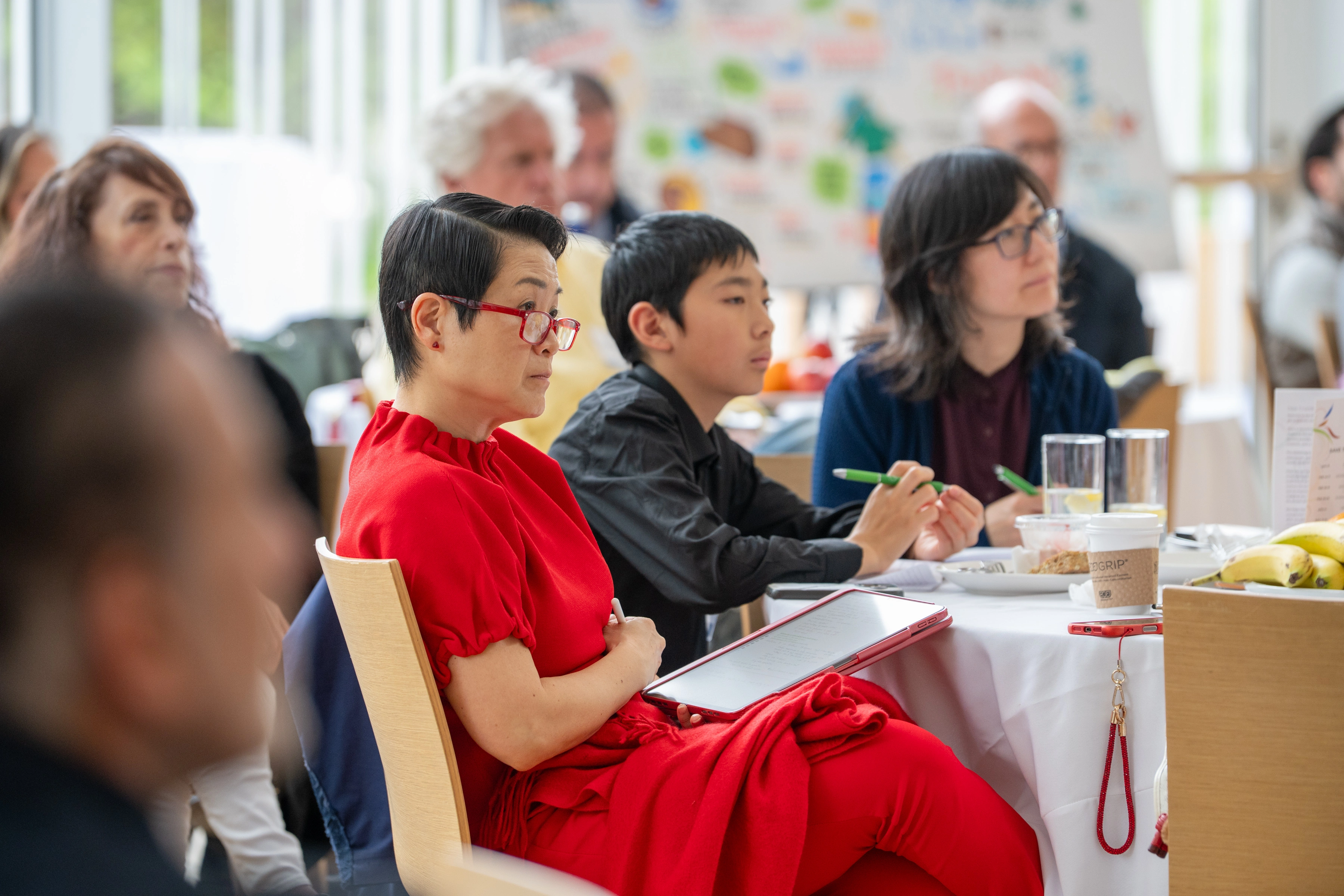 Perhaps most powerfully, the room included an eighth-grade student who shared that many of his peers no longer feel connected to what they are learning because they cannot see its relevance to their future lives. His reflection served as a reminder that the voices of young people themselves must remain central to any conversation about education transformation.
As Synergos builds a global community on Education & Whole Child, the discussion highlighted the power of collective leadership to reimagine learning and opportunity for the next generation.