

Reweaving the Social Fabric: Reflections on Connectedness, Aging, and Belonging
Written by Asia Philanthropy Partner, Manisha Shah
At the GPC Gathering in New York, a powerful conversation unfolded around a growing but often invisible crisis: the erosion of social connectedness. A panel discussion featuring Amy Yotopoulos and Lily Zhou explored loneliness, ageism, and belonging not as isolated personal experiences, but as systemic challenges shaping the health and resilience of societies around the world.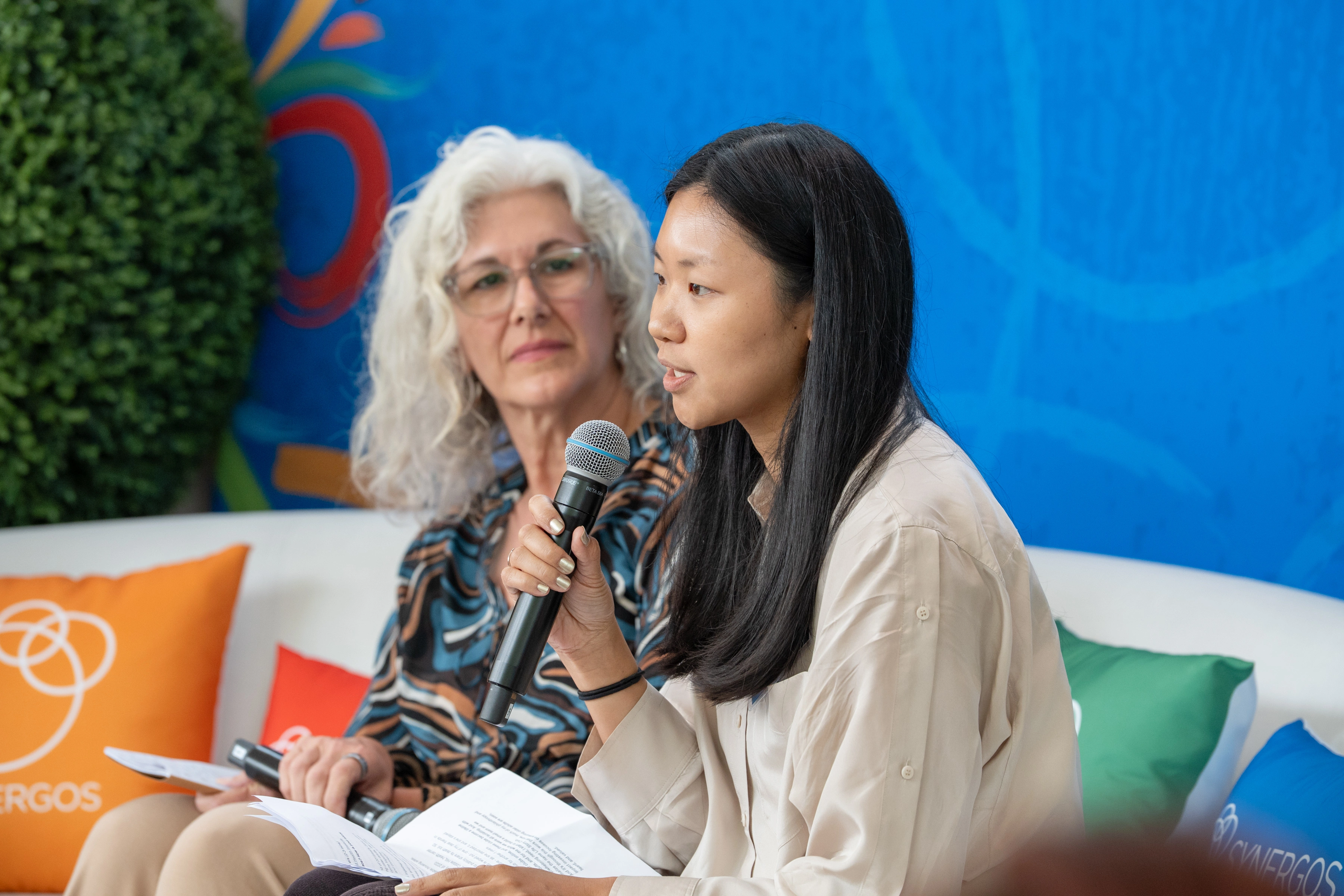 One of the strongest themes to emerge was the distinction between loneliness and social isolation. Loneliness, the speakers reflected, is a deeply human signal — much like hunger or thirst — reminding us of our need for connection. Social isolation, however, is structural. It is shaped by the systems, spaces, and norms that determine whether people are able to meaningfully participate in community life.
The conversation highlighted how loneliness has reached epidemic levels globally, cutting across generations and geographies. While younger generations report some of the highest levels of loneliness today, older adults — particularly those over 85 — face increasing risks of invisibility and isolation. Participants reflected on how ageism intersects with other forms of exclusion, often leaving older women, people with disabilities, and communities of color most vulnerable.
The panelists also challenged the assumption that this crisis emerged only because of social media or the pandemic. Referencing works such as Join or Die and longstanding research on the decline of civic and community spaces, the discussion explored how modern societies have gradually lost many of the “third spaces” that once fostered belonging across generations.
Health impacts featured prominently throughout the conversation. Chronic loneliness has increasingly been linked to serious health risks, including cardiovascular disease, depression, and dementia. Yet participants reflected on how healthcare systems continue to prioritize treatment over prevention. Examples from the UK’s NHS and growing movements around social prescribing illustrated how some countries are beginning to integrate social connection into public health responses. The discussion also explored what it means to intentionally design for connection. Examples from Singapore highlighted how urban planning and housing policies can encourage intergenerational interaction — from families living within the same residential buildings to public spaces intentionally designed for shared community life. Japan’s growing recognition of loneliness as a major public health issue similarly reflected how governments are beginning to respond to social fragmentation at a systemic level.
At the heart of the conversation was the idea that intergenerational relationships are not simply symbolic — they are essential. Life Story Club was shared as an example of how storytelling and human connection can help older adults rediscover purpose and belonging. Participants also reflected on the possibility of more reciprocal forms of mentorship between generations, noting that younger generations are deeply hungry for meaningful connection and guidance as well.
As societies around the world grapple with rising fragmentation and polarization, the discussion offered a hopeful reminder: social connectedness is not merely a personal wellbeing issue. It is infrastructure for healthier, more resilient, and more human communities.