
Reflections from the GPC Breakfast Meeting in London
Written by European Philanthropy Partner, Juliet Valdinger
It was over a month ago, but the thoughts that were generated in my head at the GPC Breakfast Meeting we had as a warm-up to the Skoll World Forum 2026, are still buzzing around my head. Our sincere thanks to Tony Tabatznik and his team at the Bertha Foundation for giving us space for our members to come together.
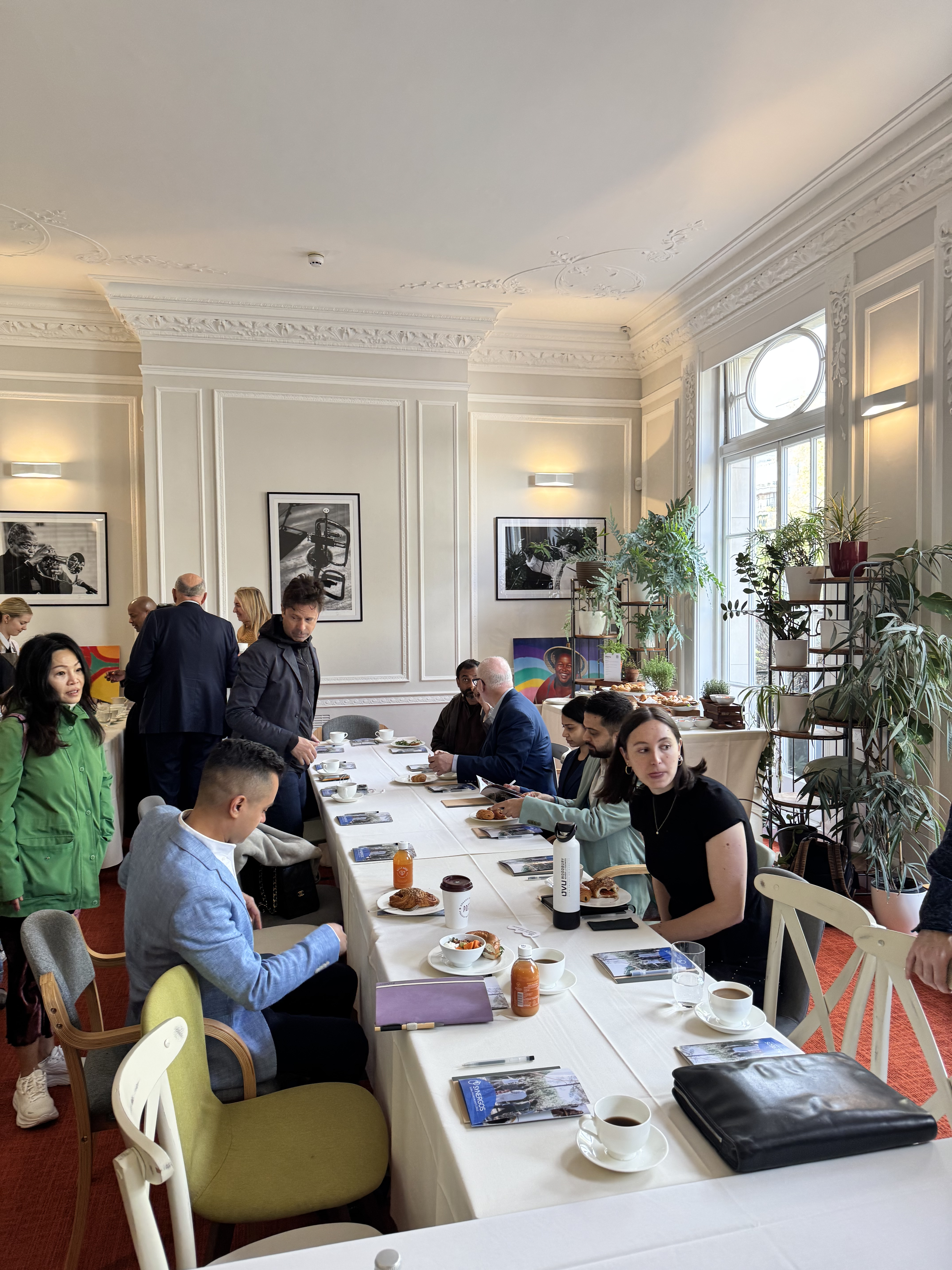
It was intended to be a relatively small gathering, centred around open conversation, reflection and connection, yet the room was bursting with energy, curiousity and honesty from the outset. What mattered most to me was that people left having both learned something new and met people they genuinely wanted to continue speaking with afterwards. Thankfully, both of those hopes were more than realised.
Several reflections from the morning have stayed with me since. One of the strongest was the reminder that collaboration is not automatically positive. Without careful attention, it can easily lose momentum, drift away from its original purpose or become performative rather than meaningful. The curation of relationships, and the intention behind them, matters deeply. Genuine collaboration requires trust, clarity and ongoing care.
There was also important discussion around power dynamics and the tension that can emerge when collaboration exists alongside unexamined hierarchy. If not addressed honestly, hierarchy can limit participation rather than enable it. Perhaps this is one reason why the language of ‘collaboration' itself is beginning to feel overused in some spaces. What many people seemed to be searching for instead was something closer to co-creation: environments where people build together with shared ownership, rather than simply operating alongside one another within formal structures.
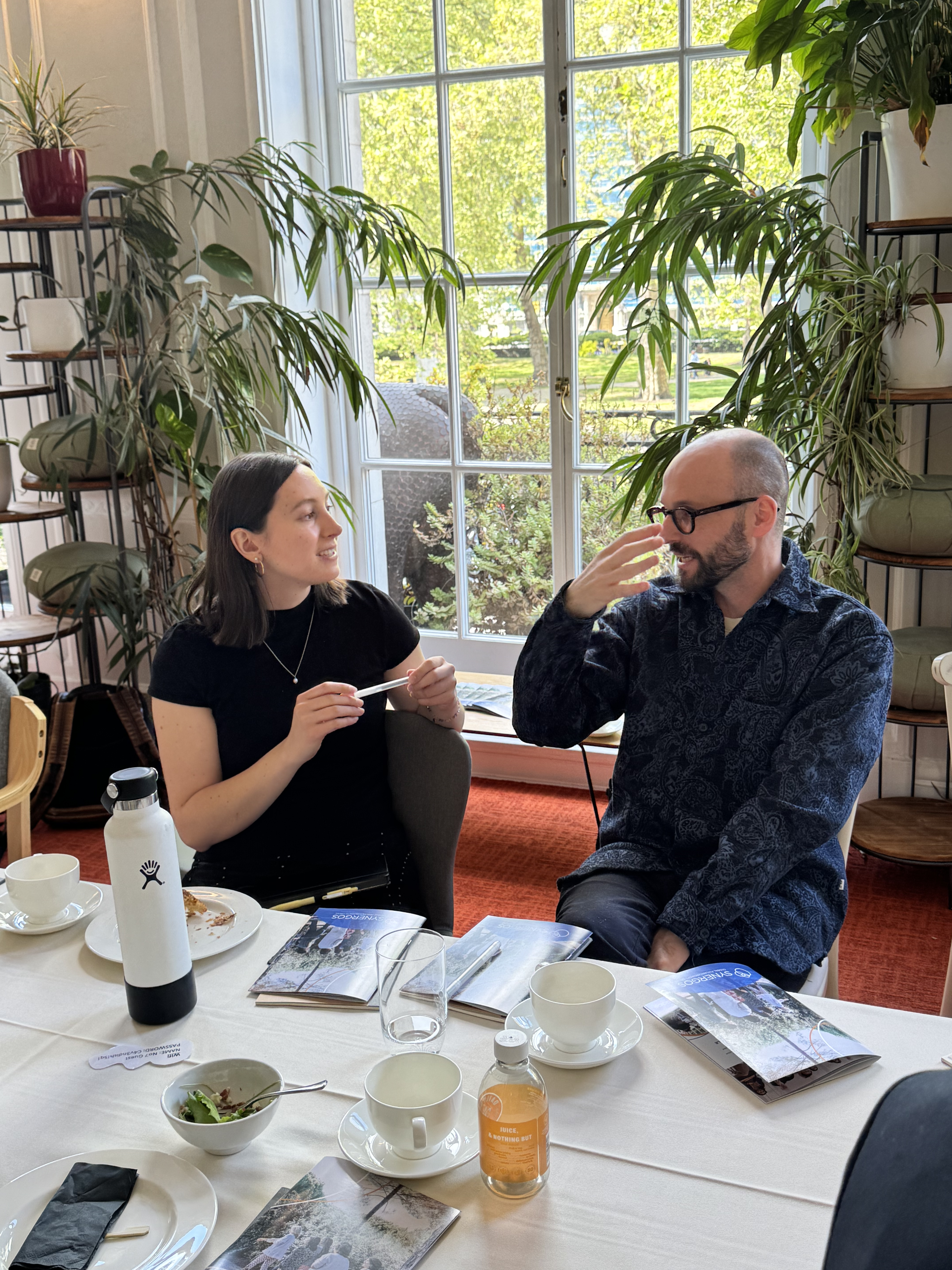 Another important challenge raised throughout the conversation was how we meaningfully recognise authentic partnership in practice. Many organisations speak about collaboration, yet there is still work to be done in creating shared understanding around what meaningful partnership actually looks like. For funders, institutions, and wider stakeholders, this raises important questions about how relationships are shaped, supported and evaluated. Too often, partnerships risk becoming transactional rather than relational. The discussion reinforced the importance of creating shared language, shared expectations and ultimately shared responsibility.
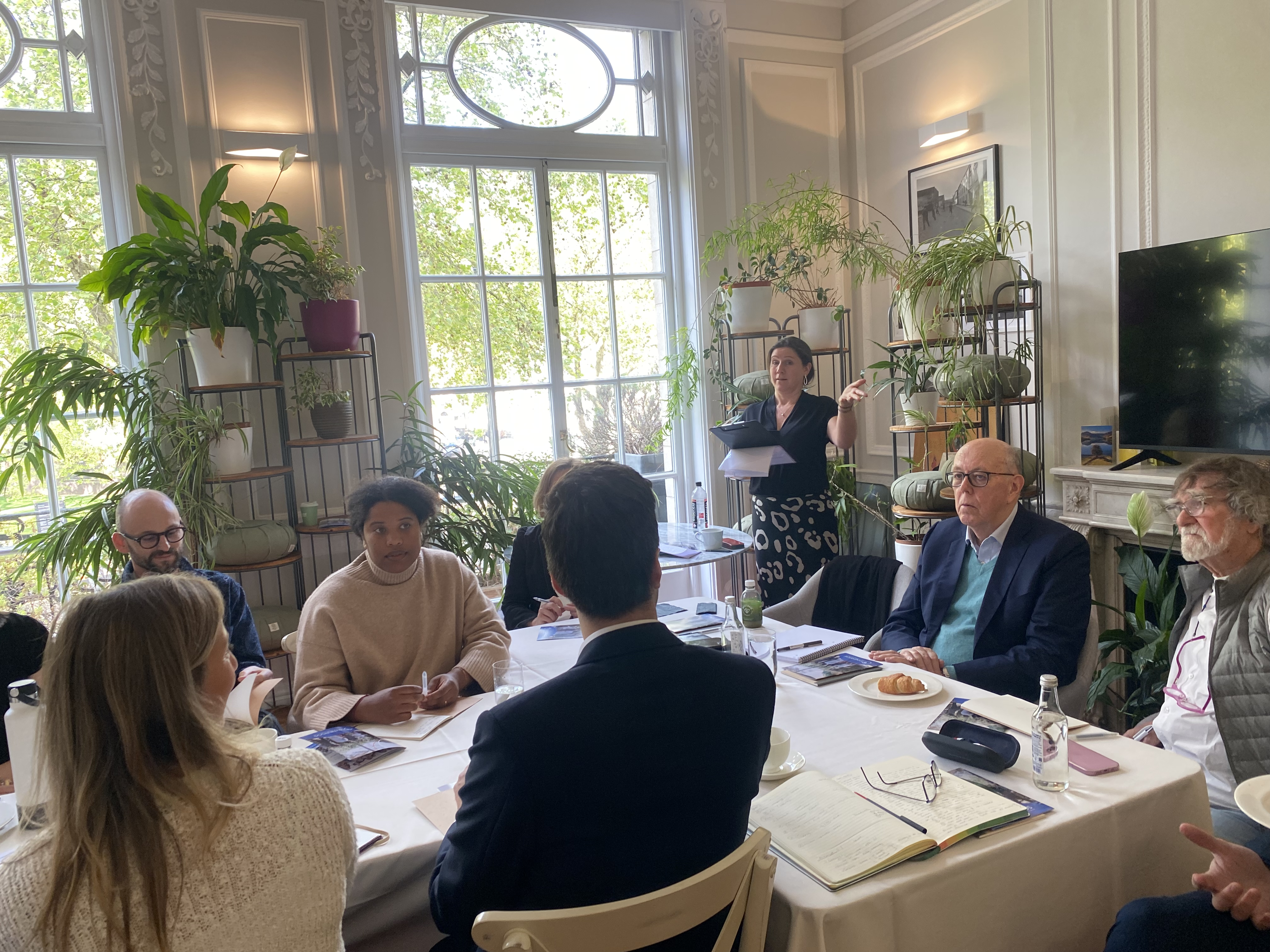
I left the breakfast meeting wondering if the rest of the week would make me feel so energised. And although thankfully it did do that, I feel the deep-rooted authenticity and honesty I saw at the GPC Breakfast Meeting could not have been, and were not, replicated elsewhere.
I look forward to many more meetings in the future, which are as reflective, thoughtful, and intentional, as this one certainly was.