

Philanthropy at Scale: Reflections from Tata’s Corporate Social Responsibility Event
The Tata Group CSR Event served as a powerful testament to the Group’s enduring legacy of purpose-driven business and nation-building. In his keynote address, N Chandrasekaran, Chairman of Tata Group, emphasized that Tata's century-old commitment to community and equality continues to anchor its modern-day philanthropy. Framing CSR within India's developmental context, he questioned whether innovation is truly reaching scale and the areas that need it most.
Over the past five years, Tata Sons, its operating companies, and Tata Trusts have collectively invested over $1 billion in CSR, with a 15% annual growth in outlay. Notably, 87% of their programs target income inequality, with a strong focus on underserved states such as Bihar, Chhattisgarh, Odisha, and Jharkhand. TCS and Tata Steel alone account for nearly three-fourths of the Group’s CSR spend.
Chandrasekaran addressed India’s looming “middle income trap,” rooted in issues like poor educational quality, lack of skilled mid-level labour, stagnant MSME growth (with a 38% gap), and 125 million unemployed women with secondary education—an estimated $1 trillion opportunity loss. He argued this crisis can't be solved by markets or government alone and underlined the unique role of CSR and philanthropy.
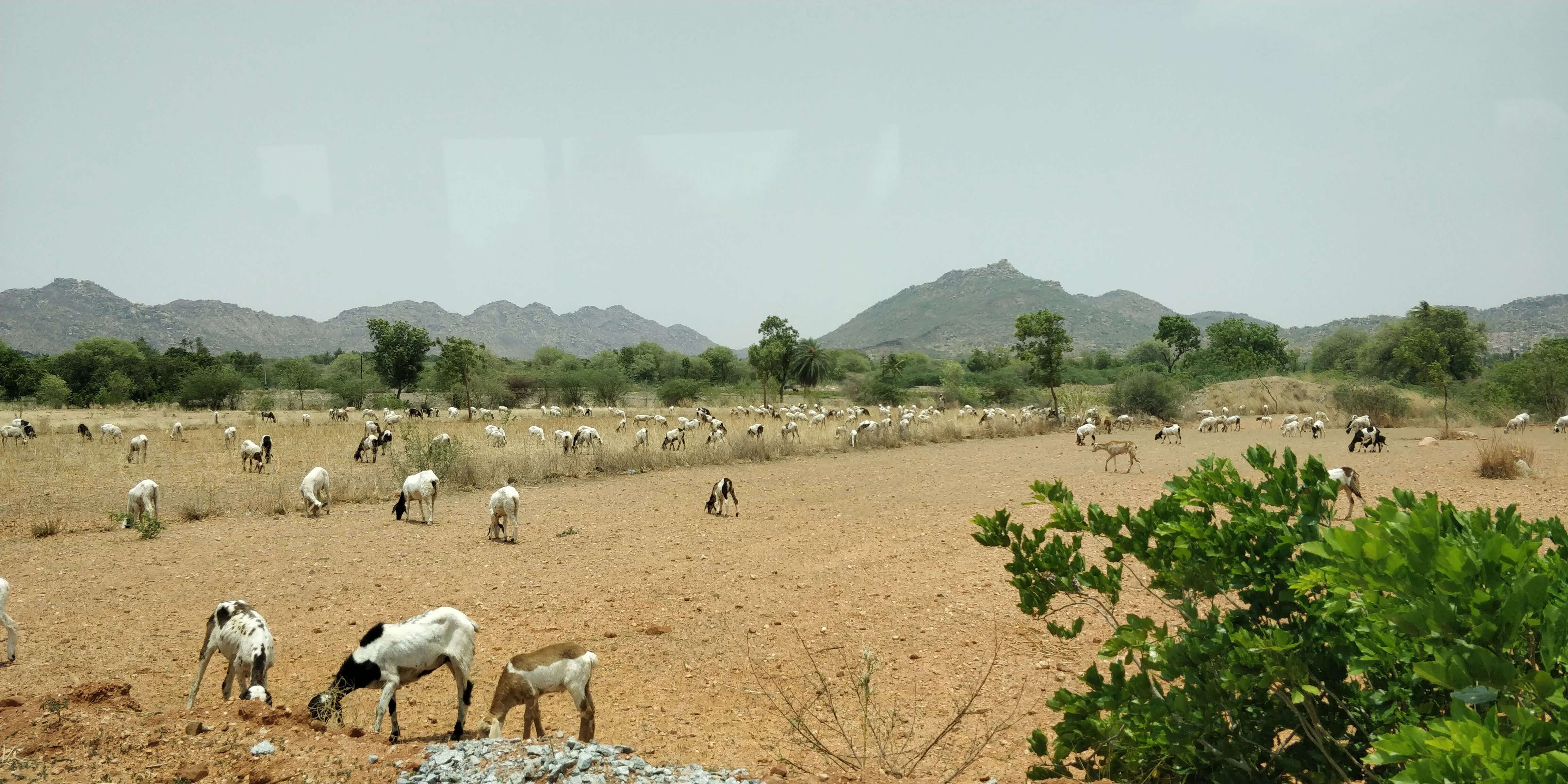
Photo by Manisha Shah Nayyar
He proposed three action steps: focus on sectoral themes, forge partnerships for scale, and allocate resources by sectoral maturity. The Tata Group has identified five long-term pathways for transformation:
- Leveraging India’s demographic window (employability, care economy)
- Reducing inequality (health and education)
- Addressing water stress
- Harnessing digital and AI opportunities
- Tackling climate change (mitigation, adaptation, green jobs)
In a compelling panel on Collaborative Philanthropy, Ashish Dhawan, Soumya Swaminathan, and Hari Menon discussed the evolving philanthropic ecosystem. They highlighted that while Indian domestic philanthropy is expanding and becoming more risk-tolerant, true collaboration between CSR and philanthropy is still nascent. They emphasized CSR's advantage in scale and reach, and philanthropy’s role as patient capital, necessary for long-term innovation. Menon shared the success of the GAVI vaccine alliance and current efforts like the Tribal Health Collaborative, now scaled into the Global Alliance for Poverty Alleviation. The panel acknowledged the underutilized promise of blended finance, and the importance of institutional support for nonprofits.
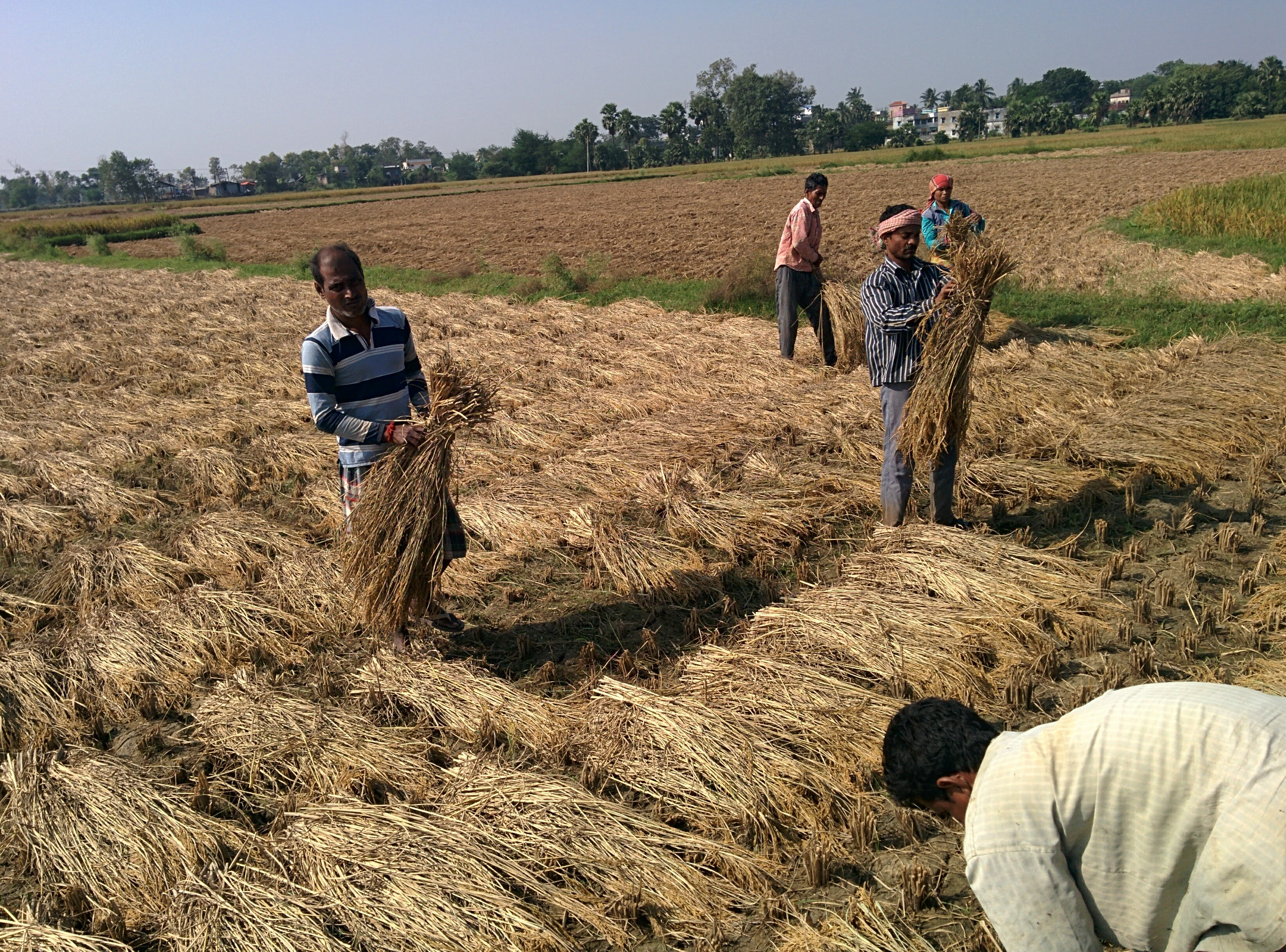
Photo by Manisha Shah Nayyar
Ajay Piramal, a GPC Member and the Director of Tata Sons, expressed concern over the inequitable distribution of CSR funds. Bihar, with 9% of India's population, receives only 0.6% of CSR allocations. He championed state capacity building through digitization, decentralization, leadership development, and inclusion, and shared plans for a Tata School of Public Leadership. His long-term aspiration: to lift 70 million people out of poverty in the next 25 years.
The event was enriched by the presence of Gram Panchayat leaders, digital entrepreneurs trained by Tata programs, grassroots innovators, and youth leaders, who shared stories of transformation catalysed by CSR efforts.
The gathering closed on a hopeful and energizing note—grounded in Tata’s belief that inclusive development is not only possible but inevitable when businesses, philanthropy, and communities come together with clarity of purpose and courage to act.
Manisha Shah Nayyar - Synergos Asia Philanthropy Partner
May 2025, Mumbai, India
Cover photo taken from the Tata Group Website.