Reflections from the 2025 GPC Gathering in Asia
Fostering the Future: The Role of Philanthropy in Empowering the Next Generation
The recent Synergos GPC Gathering in Mumbai brought together philanthropists, thought leaders, and changemakers committed to advancing the welfare and potential of children. Over three days of deep discussions and shared insights, participants examined early childhood development (ECD), collaborative philanthropy, wellbeing &mental health, and intergenerational dynamics —while reflecting on the need for bridging leadership and systemic shifts to achieve lasting impact.
Day 1
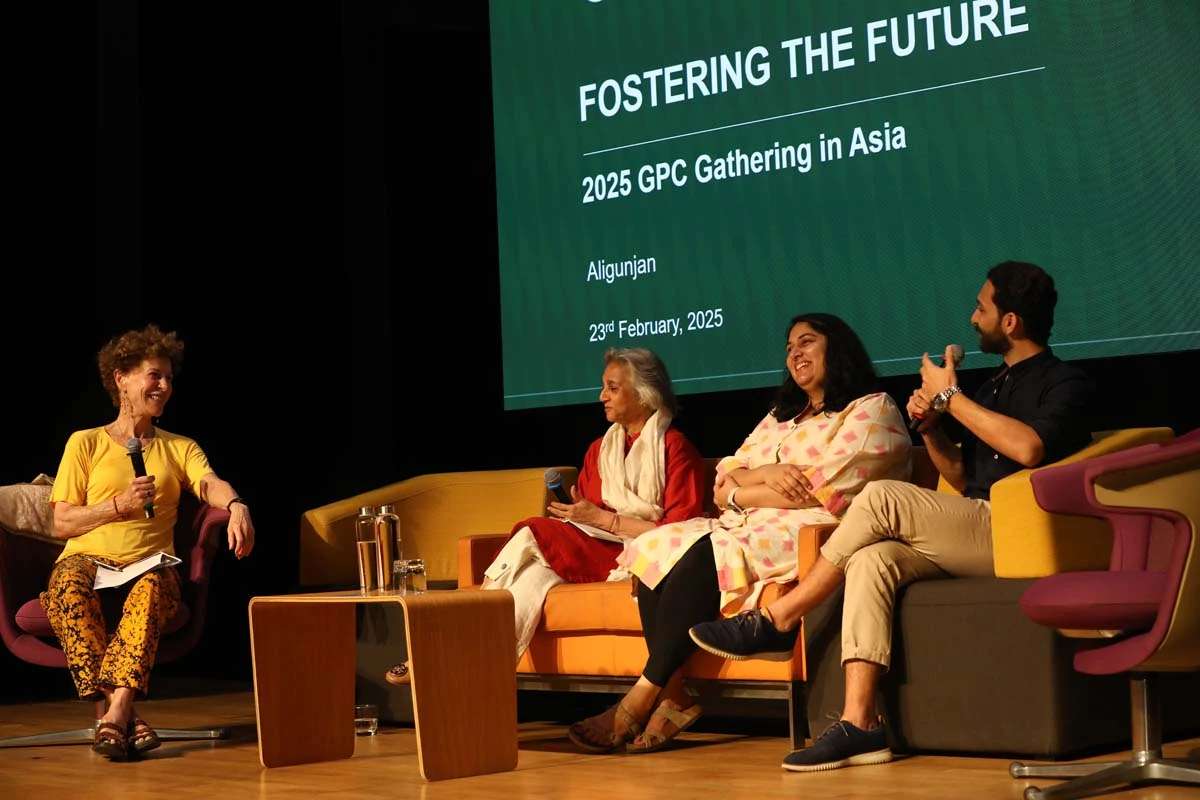
The discussions underscored the foundational role of ECD in shaping long-term well-being. A key takeaway was the importance of the Nurturing Care Framework, which highlights the links between early childhood, toxic stress, and lifelong outcomes. Global examples, such as Mongolia, India, Malaysia, Vietnam and Thailand, demonstrated how free pre-schooling and increased female workforce participation contribute to higher early learning attendance—offering valuable lessons for philanthropy.
Collaborative Philanthropy emerged as a crucial driver of change, with successful models requiring:
- Strong government partnerships to scale and sustain impact
- Patient capital (10-15 years) to ensure meaningful, long-term change
- A shift from short-term funding cycles to holistic, systemic solutions
Innovation also took center stage, with technology-driven solutions showing immense potential to enhance parental engagement in ECD. However, philanthropic investment is needed to scale these solutions and ensure accessibility for all.
The day’s conversations reinforced the importance of bridging leadership, which calls for self-reflection, systems thinking, and a commitment to partnership. Synergos' intermediary role in connecting funders, grassroots organizations, and policymakers was recognized as essential—but power dynamics, trust-building, and long-term engagement remain key challenges for driving systemic change.
Day 2
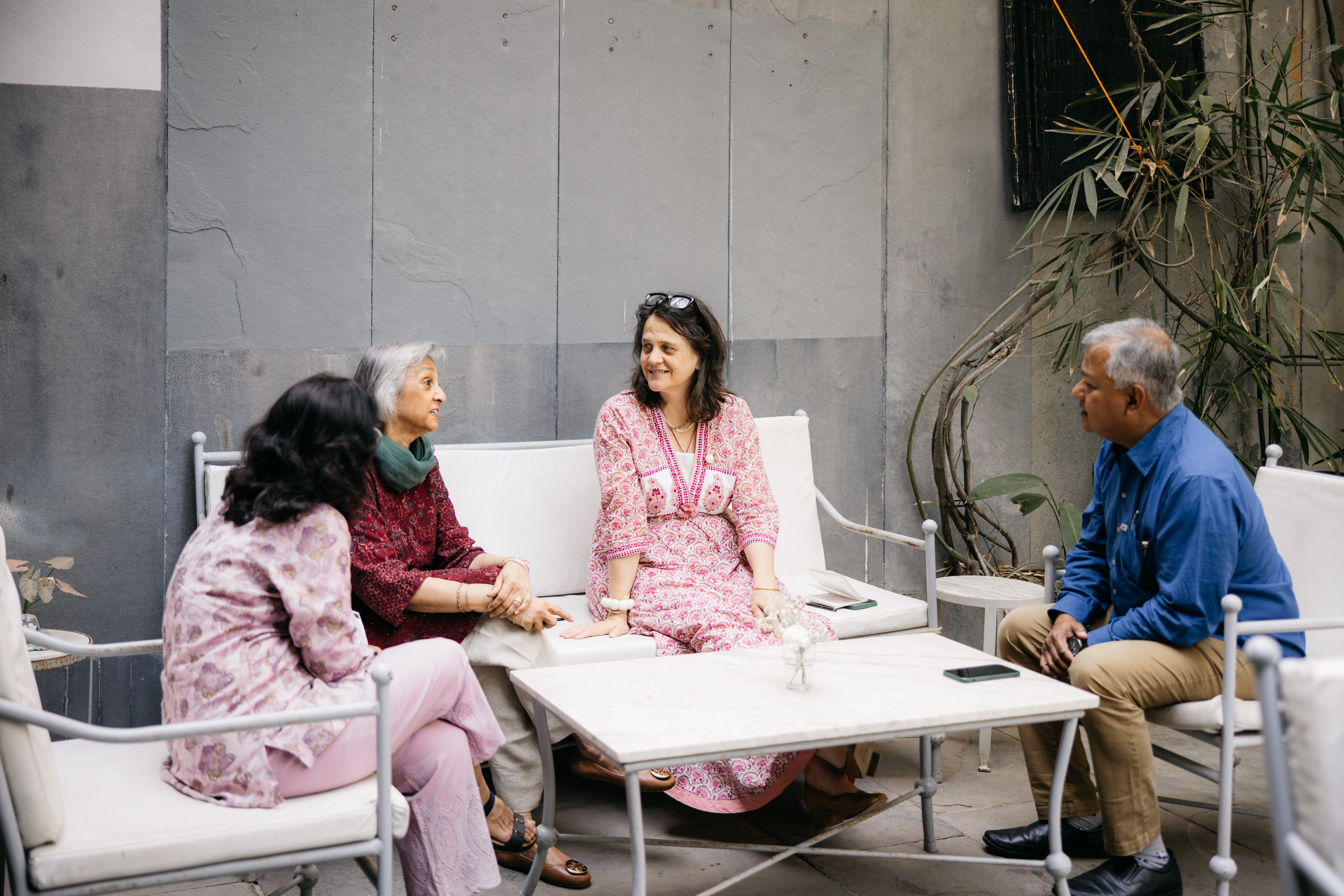
The focus shifted to mental health, wellbeing, and the evolving role of philanthropy in fostering both inner and societal transformation. It was acknowledged that mental health remains a deeply entrenched taboo in India, limiting both funding and public discourse. Addressing this requires not just financial investment but a cultural shift that normalizes mental health as integral to wellbeing. Children around the globe are growing up without the space to pursue what matters to them. The group acknowledged that every child is wired and inspired differently, the social emotional stability in the environment is very crucial, and the feeling of connectedness to self and others is much needed to nurture the whole child.
A powerful theme that emerged was philanthropy as an inner journey. Lam Nguyen-Phuong’s model—encompassing self, society, animals, and climate—underscored the interconnectedness of giving and personal fulfilment. Similarly, GPC member Jair Ribeiro framed philanthropy as more than just problem-solving; it is a deeply personal engagement that begins from within; the journey is a tapestry of patience, resilience, humility, and humour.
Participants agreed that, while difficult, leadership in philanthropy calls for us to embrace the messiness as coordination between all stakeholders creates multiple and complex layers of coordination and the order of action is not always clear along the journey.
Day 3
We gathered in Alibag for a day of reflection, open dialogue, and shared learning on intergenerational philanthropy. The Shibulal and Rockefeller families provided compelling examples of how different governance models—from structured foundations to flexible family approaches—help sustain philanthropic legacies. The voices from current and next generations of Rai and Dandekar families threw light on the importance of the space for free thinking and sharing with each other, and how being okay with not aligning on an idea or approach keeps the collaboration spirit alive in the family as they work collectively towards building a better society.
Yet, fundamental challenges remain:
- How do families balance continuity with adaptability?
- How can they avoid wealth fragmentation while ensuring that each generation feels ownership over their impact?
As we concluded the day with a reflective walk in nature, one question resonated deeply:
How can families move beyond legacy-building to create truly adaptive, intergenerational approaches that not only preserve wealth but also continuously respond to the world’s most pressing challenges?
Looking Ahead: A Call for Courageous Action
The Mumbai gathering reinforced a powerful truth: philanthropy is both an outward-facing and deeply personal endeavour. As we move forward, the GPC community remains committed to fostering the collaborative leadership, intergenerational dialogue, and bold action needed to tackle the urgent societal challenges we are faced with. The question now is:
What bold step can each of us take—whether as individuals, families, or institutions—to reimagine philanthropy as a force that not only sustains impact but evolves with the changing world?
We invite you to share your thoughts and continue the conversation.