
Wealth, Purpose and the Women Shaping a New Future
Written by European Philanthropy Partner, Juliet Valdinger
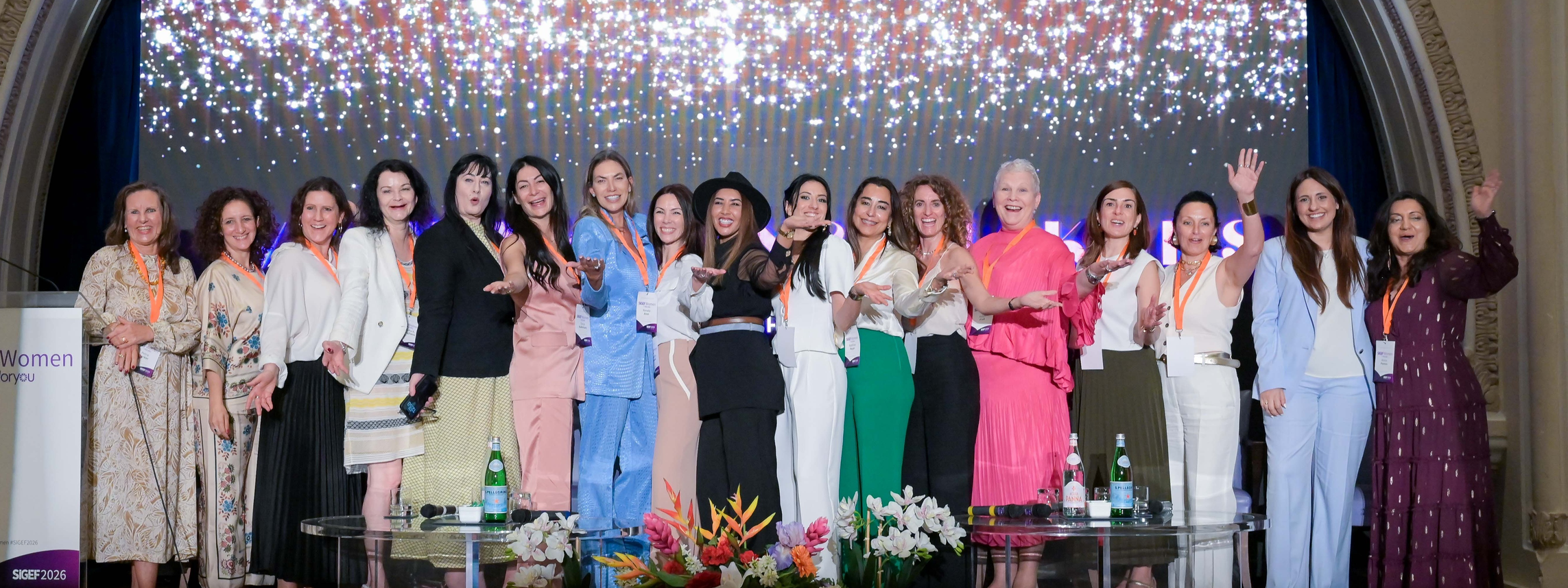
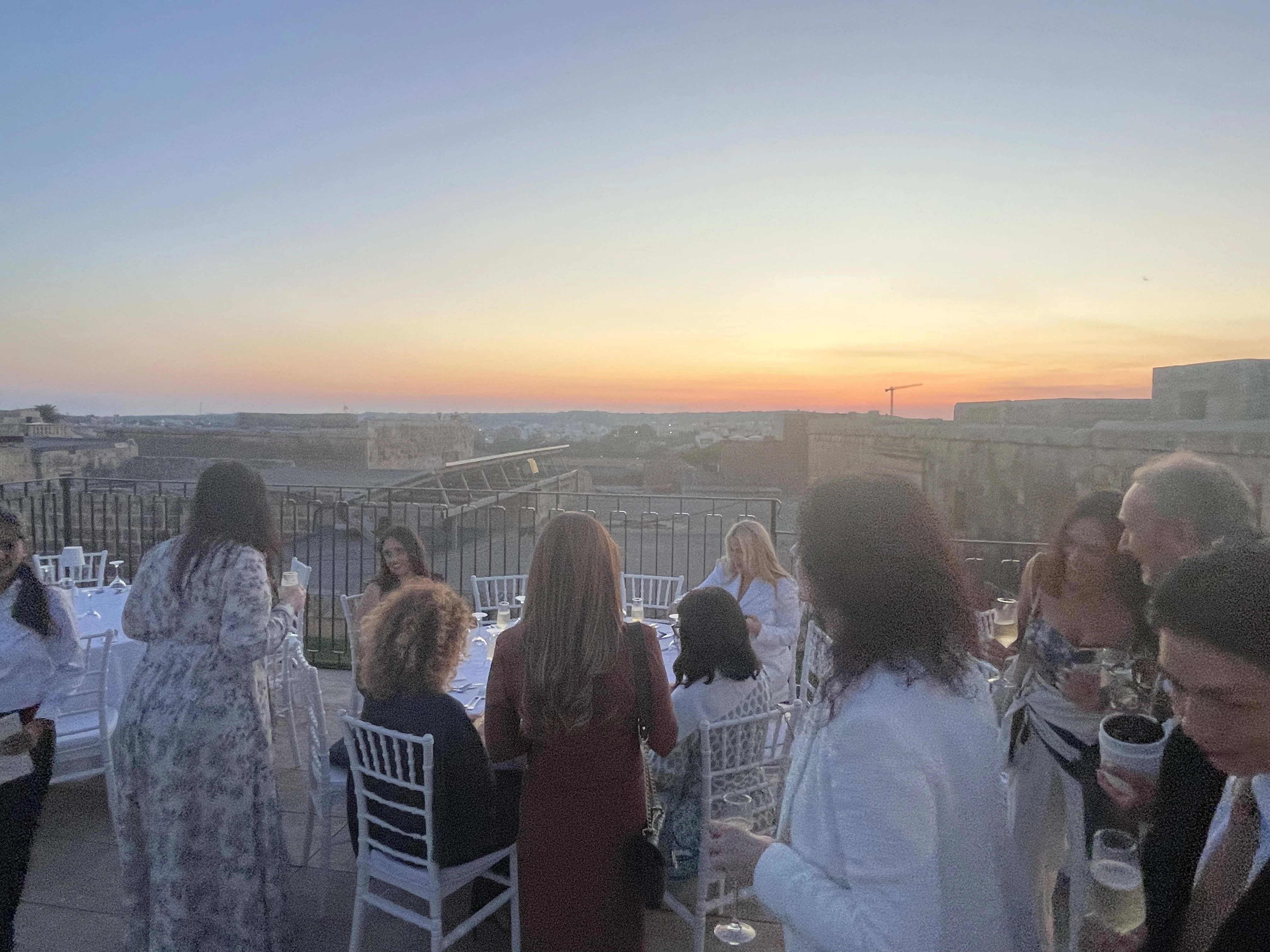
I had the pleasure of returning to Malta to speak at the SIGEF Women Summit for the second year running this past June. Bringing together more than 100 women from across the world, the summit explored topics as diverse as science, entrepreneurship, AI, finance, healthcare, philanthropy and faith. Although every speaker brought a different perspective, I was struck by how often the same themes surfaced. Regardless of the sector, conversations repeatedly returned to purpose, trust, collaboration and the responsibility that comes with influence.
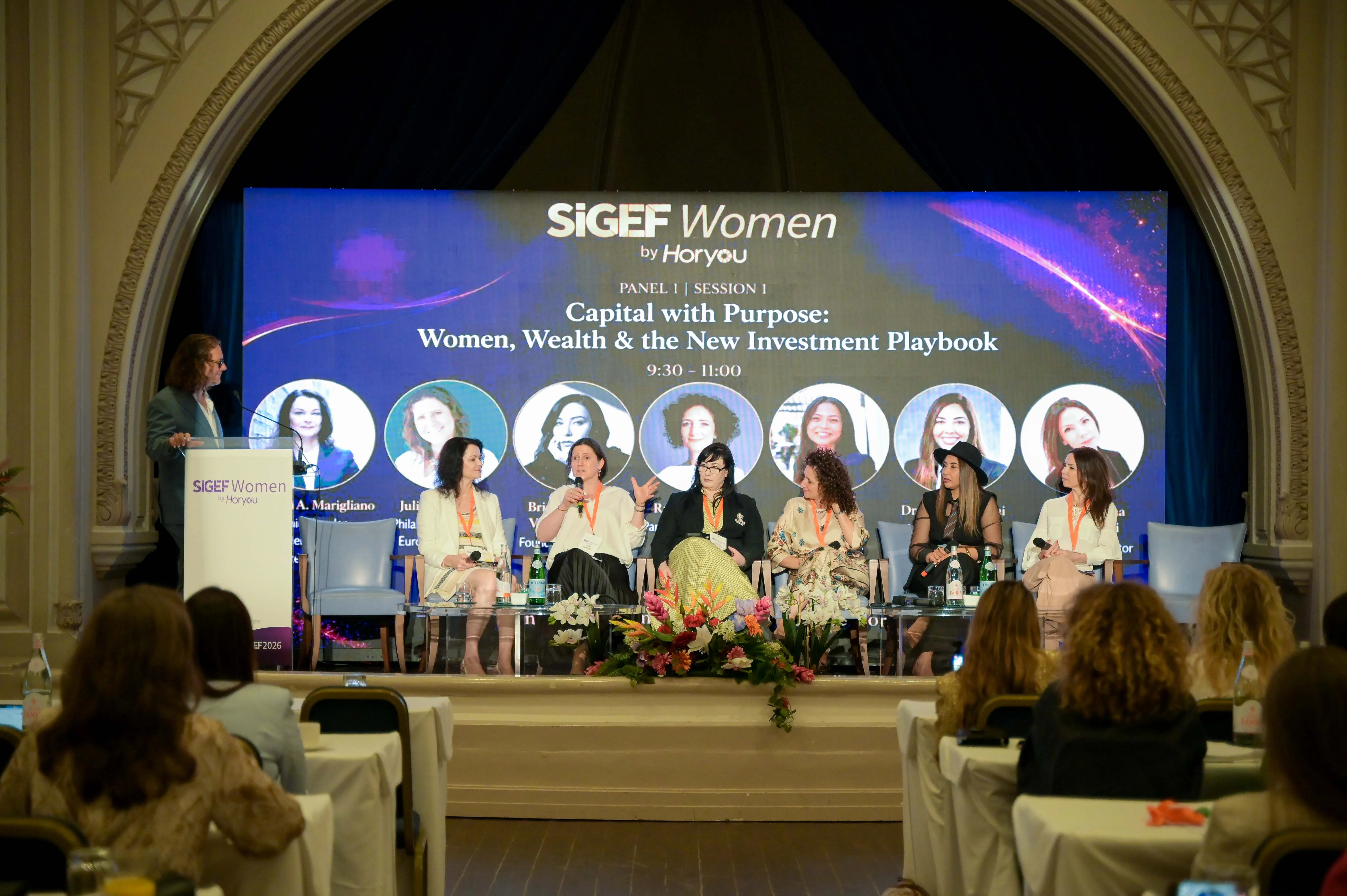 I was invited to join a panel titled Capital with Purpose: Women, Wealth and the New Investment Playbook, alongside leaders from family offices, private banking, law and impact investing. We explored how women are reshaping the relationship between wealth and impact, and what it truly means to put capital to work with purpose.
One of the perspectives I shared was that perhaps the greatest change in wealth over the past three decades has not been financial. It has been informational.
The arrival of the internet transformed our understanding of the world around us. For the first time, we had immediate access to the realities of communities far beyond our own. Since then, digital media, social media and, more recently, artificial intelligence have continued to deepen our understanding of inequality, climate change, conflict and countless other social and environmental challenges.
Greater knowledge creates greater responsibility. Once we understand more about the world, it becomes much harder to separate our financial decisions from our social values.
As the $124 trillion global transfer of wealth gathers pace, I believe this shift will become even more significant. Many of those creating or inheriting wealth today have grown up with a much greater awareness of the world's challenges than previous generations. They are looking beyond wealth preservation alone and asking how their investments, businesses, philanthropy, influence and relationships can work together to create positive change.
One of the questions I was asked was what it really means to put capital to work with purpose. For me, one of the clearest examples is Peggy Dulany, who founded Synergos in 1986 after recognising that the world's most complex challenges could never be solved by organisations working in isolation. Her vision was simple but powerful: bring together philanthropists, governments, businesses, civil society organisations and local communities, build trust between them and create the conditions for collaboration to flourish. More than three decades later, that philosophy feels more relevant than ever.
I also spoke about Irene Pritzker, a member of the Global Philanthropists Circle, whose recent book, The School in the Market, offers an honest account of building the IDP Foundation's work in Ghana. What struck me most was not simply the impact of the work itself, but Irene's approach to philanthropy. She listened before acting, learned from those closest to the challenge, embraced collaboration and remained committed to long-term systems change.
Perhaps her greatest contribution, however, is her willingness to share that journey with others. Too often, philanthropy celebrates outcomes while overlooking the learning behind them. Irene chose to publish not only the successes, but also the setbacks, the difficult decisions and the lessons learned along the way. By doing so, she has created a resource that allows others to build on her experience rather than start from scratch.
Although Peggy and Irene have taken very different paths, I see a common thread running through both of their leadership journeys. Neither defines philanthropy simply as deploying financial capital. Both recognise that relationships, knowledge, humility and a willingness to learn alongside others are forms of capital in their own right.
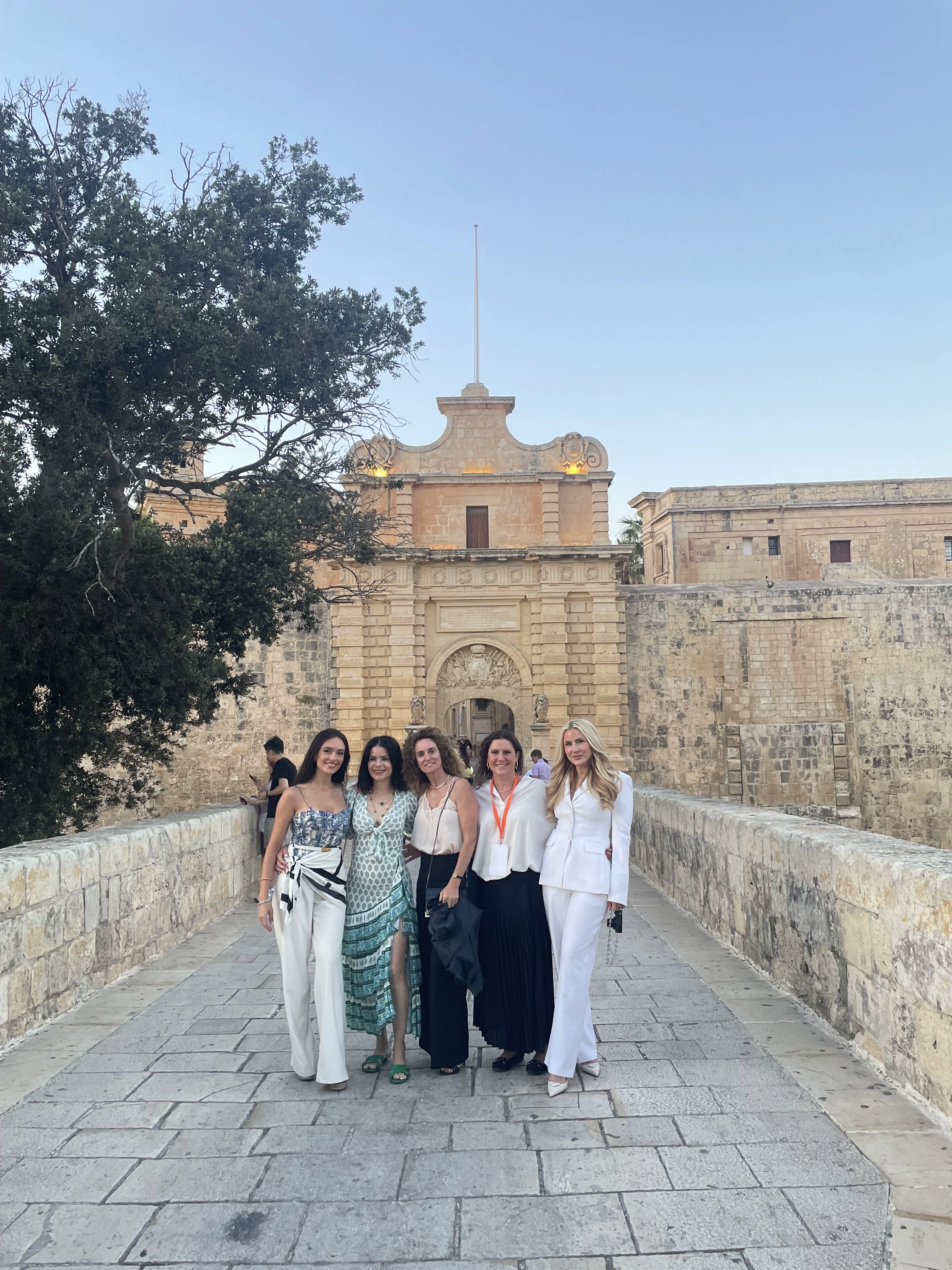 That message was reinforced throughout the summit. Whether the discussion centred on entrepreneurship, technology, finance or innovation, speakers repeatedly returned to the importance of community, authenticity and collaboration. Time and again, people spoke about valuing yourself while remaining humble, surrounding yourself with people who challenge and support you, staying true to your purpose and recognising that meaningful progress is built through consistency rather than ego.
As I travelled home from Malta, I found myself thinking less about the discussions on wealth and more about the women who had shaped them. Whether through Peggy's ability to convene unlikely partners, Irene's willingness to share decades of learning or the countless conversations throughout the summit, the message was remarkably consistent.
Capital matters. But it is trust, relationships, curiosity and humility that determine whether that capital creates lasting change.
For me, that was the most valuable lesson I took away from two inspiring days in Malta.